

Health experts have recently renamed Polycystic Ovary Syndrome (PCOS) to Polyendocrine Metabolic Ovarian Syndrome (PMOS) to help improve diagnosis for women.
The condition affects how women’s hormones work, and it’s not just their fertility hormones. PMOS can affect periods and falling pregnant.
It can also affect hormones that control a woman’s metabolism, like blood sugar control or difficulty maintaining a healthy weight.
Sunshine Coast Health experts believe the change will help support diagnoses and treatment for patients.
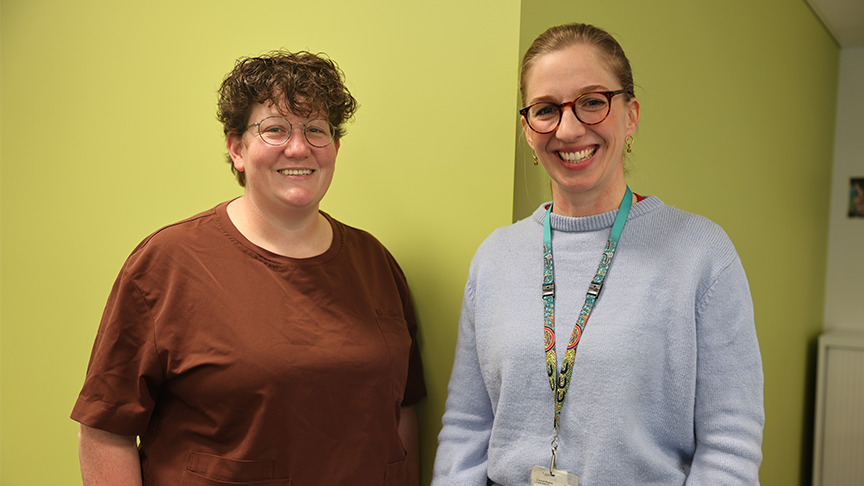
Obstetrician & Gynaecologist Dr Ellinor Johnston said PMOS better reflects the true complexity of the condition.
“The change is to raise far more awareness about the endocrine (hormone) part which is related to your metabolism,” Dr Johnston said.
“We used to have a lot of focus on the polycystic part of the ovaries and in fact you don’t need to have any changes to your ovaries to have the condition."
Dr Johnston explained that if ovarian changes are seen, these are just natural follicles occurring on the ovaries, not true ovarian cysts.
Symptoms vary but can include irregular periods, excess hair growth, acne, hair thinning, weight gain, low energy and impacts on mental wellbeing.
Sunshine Coast Health Obstetrician & Gynaecologist Dr Vanessa Watson said PMOS should be considered in girls and women who are experiencing a variety of symptoms.
“From our end we think of infrequent or irregular periods and trouble falling pregnant,” Dr Watson said.
“Often women see us with (symptoms of) changes in testosterone and that can mean they get a bit more acne-prone or facial hairs."
Dr Watson said it was important to get help early.
“If you are suspicious of PMOS for any of those reasons, have a talk to your General Practioner (GP),” Dr Watson said.
“You might be referred to a specialist from Endocrinology or Gynaecology who will put all the information about you together to try and work out whether it is PMOS, or something else.”