

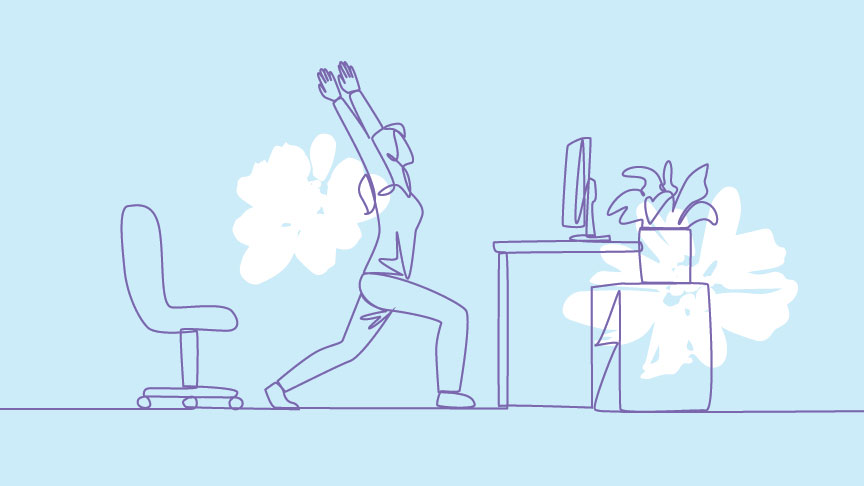
Between work, family, keeping food in the fridge, and everything else life throws your way, finding time to exercise can feel impossible. For many of us, fitness ends up at the bottom of the to-do list, not because it doesn’t matter, but because there aren’t enough hours in the day.
The good news is that exercise doesn’t need to mean spending hours at the gym or following an intense routine. Small, consistent movement can make a real difference to your physical health, mental wellbeing, energy levels, and stress management.
Here’s how busy gals get it done and make exercise work in real life.
Stop aiming for perfect
One of the biggest barriers to exercise is the idea that it has to be “all or nothing.” If you can’t fit in a full workout, it’s easy to feel like there’s no point.
But movement still counts, even in short bursts.
A 10-minute walk, stretching while dinner cooks, or a quick workout while the little one’s nap all add up. Consistency matters more than perfection.
Schedule movement like an appointment
Busy schedules rarely “open up” on their own. Treat exercise like any other important commitment by putting it in your calendar.
That might look like:
- A walk before work
- A lunchtime workout
- Yoga after the kids go to bed
- A weekend fitness class with friends
Even two or three planned sessions a week is a great starting point.
Find exercise you actually enjoy
You don’t have to run marathons or love the gym to be active. The best exercise is the one you’ll keep doing.
Walking, dancing, swimming, pilates or yoga, getting out on the bike, strength training, playing a team sport, or an online workout video.
If it feels enjoyable you’re more likely to stick with it long term.
It’s not all or nothing
Missing a workout doesn’t mean you’ve failed. Life gets busy, routines change, and some weeks are harder than others.
Instead of giving up completely, simply start again the next day. A flexible mindset is often the key to building long-term healthy habits.
Find a time that works for you
Getting up super early, lunch break, before work, after dinner – it doesn’t matter when, it just matters that you fit it in. Commit to just 30 minutes of movement each day.
Recovery matters too
Being active is important, but so is recovery. Sleep, hydration, nutrition, and rest days all play a role in overall health and wellbeing.
Listening to your body is just as important as staying active.
The bottom line
Exercise doesn’t need to be time consuming, expensive, or overwhelming. For busy women, the goal isn’t perfection, it’s finding realistic ways to move more consistently.
Small steps can still lead to meaningful health benefits, and every bit of movement counts.
Find out more about making healthy happen on the Health and Wellbeing website: hw.qld.gov.au/our-approach/prevention