

Getting enough sleep can be hard.
Whether you’re a young student juggling study and work - or a parent, well… parenting…
A lack of sleep doesn’t discriminate.
While some symptoms of short-term tiredness can be mitigated with a double shot espresso, the long-term health impacts are concerning.
No one can escape poor sleep.
A study by Flinders University and the Sleep Health Foundation found nearly one third of Australian adults are getting less than the recommended seven hours of sleep.
Young adults (ages 18–34) emerged as the most sleep deprived and most affected by poor sleep.
So… what happens to your health if you don’t get the recommended seven hours?
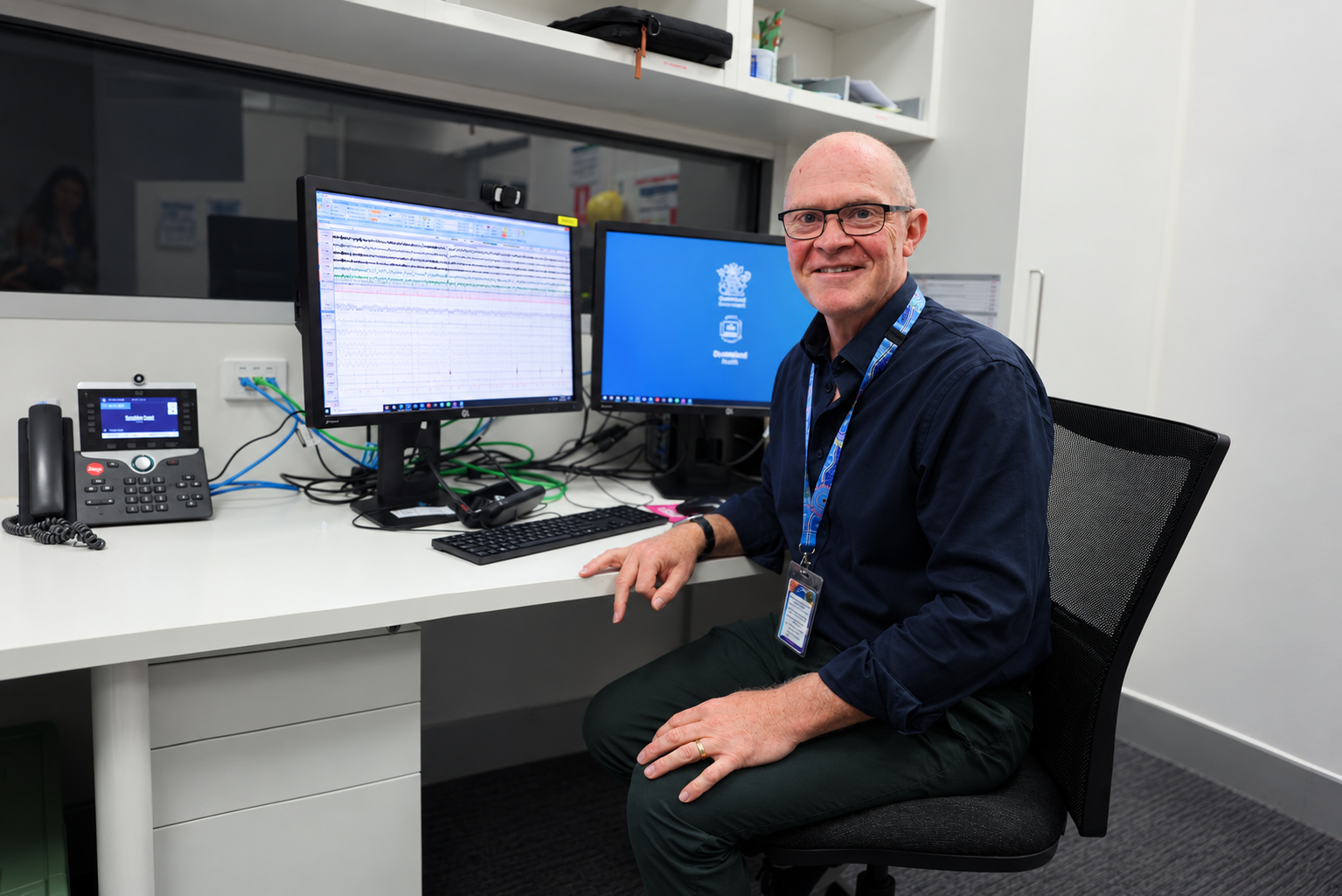
Sunshine Coast Health Sleep Physician Dr David Cunnington said the impacts vary.
“Research shows that people who average less than seven hours sleep per night are at increased risk of problems with physical and mental health, such as high blood pressure, depression and anxiety,” he said.
“This occurs even in people who don’t feel tired during the day.”
Dr Cunnington has over 20 years’ experience studying sleep and is here to answer some questions.
What are the long-term impacts of insufficient sleep?
“The long-term effects of poor sleep can be subdivided into three main categories:
1. Impact on general health
“Poor sleep in the longer term can change the way your body handles energy and increases the risk of obesity. There is increasing evidence that poor sleep also changes our food choices with a preference for more carbohydrates, increased calories and reduced protein.”
2. Medical effects of sleep problems
“Poor sleep increases the risk of type two Diabetes with the body not handling sugar loads as well in the setting of poor sleep. There is also an increased risk of high blood pressure, particularly those who average less than five hours of sleep per night over a long period of time.”
3. Mental Health effects
“It has long been known that poor sleep is a risk factor for the development of depression. There are a number of studies showing that young adults with poor sleep are at a greater risk of the development of depression later in life. The same data holds for anxiety, with poor sleep often being a precursor of the development of generalised anxiety.”
What bad habits are impacting our sleep?
“Sleep problems or insomnia can start when people aren’t respectful of sleep. Working right up until the time for bed and not winding down, too much screen time, drinking too much coffee, not managing stress, drinking too much and poor physical or mental health. If this is the case, introducing some rules around sleep can help. These measures are called sleep hygiene.”
Can you catch up on sleep?
“You never really catch up if you have a pattern of missing out on the weekdays and sleeping more on the weekend. But having a nap on the weekend is far better than not having a nap. It probably won’t completely get rid of that accumulated sleep debt that you've got though.”
Are sleep wearables having a positive or negative impact on our sleep?
“First, a reality check… you don’t need a wearable to improve your sleep. Good habits—regular bed and wake times, daylight exposure, winding down, and a comfortable sleep environment still do the heavy lifting.”
“What wearables can do well - modern devices passively collect data over long periods, which is perfect for spotting trends. That long view is powerful: Is your bedtime creeping later on work nights? Do Sunday sleep-ins make Monday mornings harder? Are big training days or evening drinks followed by choppy nights? These patterns, more than any single “score”, are where wearables shine.”
Any other tips?
- Get plenty of morning light
- Keep a consistent wake-up time
- Keep the bed for sleep – avoid watching television in the bedroom
- Give yourself a wind-down period before bed – keep all devices outside the bedroom
- Don’t become obsessed with getting ‘perfect’ sleep