

Winter on the Sunshine Coast is hard to beat. Crisp mornings, sunshine and blue skies make it the perfect time to get outdoors.
But don't let the cooler temperatures fool you.
Our winters are forgiving. Our sun isn't.
UV above 3 – a year-round threat
In Australia, sun protection is recommended above a UV index of 3. Unfortunately, it is generally above that level all year round.
Even during the peak of winter, the UV index still reaches 4 to 5 here on the Sunshine Coast. In summer, it reaches 13 which is considered extreme.
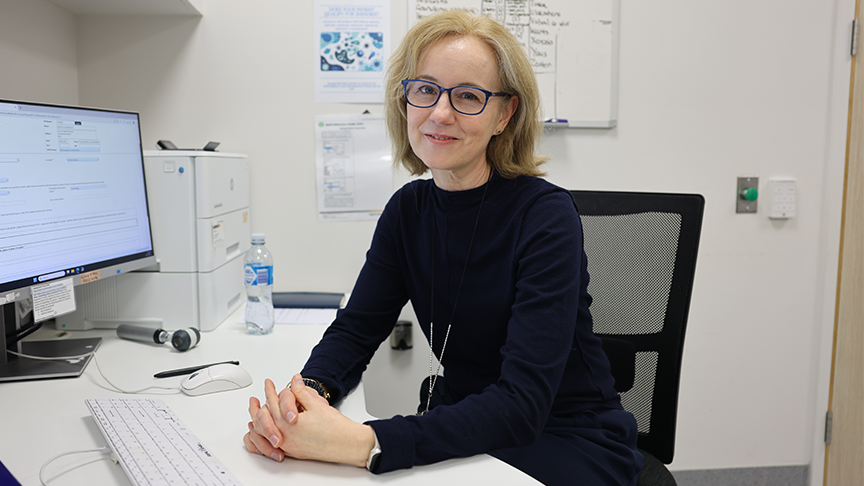
Sunshine Coast Health Dermatologist Doctor Leith Banney said it was crucial that people didn’t disregard sun safety in the cooler months.
“Remember the temperature is not related to the UV index and even on a ‘cold’ day you can burn,” she said.
“Windburn is just sunburn on a windy day.”
Sun safety myth-busting
While there are various ways to be sun safe – there is a lot of misinformation online.
Doctor Leith Banney is here to answer your questions.
Does my natural or fake tan provide a layer of protection against the sun?
“Fake tanning provides no protection and while a ‘natural tan’ gives some protection - there is no such thing as safe tanning. UV exposure causes DNA damage and inflammation in the skin.”
Will wearing sunscreen cause a vitamin D deficiency?
“Research here at SCUH (The Sunshine Study) was published in February this year in the Australasian Journal of Dermatology. We asked 311 SCUH Dermatology patients about their knowledge of sun protection and vitamin D.”
“We found that most people overestimated the sun exposure needed for adequate vitamin D. Those with little pigment in their skin require only 10-15 minutes of sun between 10am-2pm on their face and arms for adequate vitamin D.”
“With increasing pigmentation in the skin, the exposure time can be up to 2-3 times longer. No one requires prolonged sun exposure for adequate vitamin D in Queensland!”
Does sunscreen cause cancer?
“No, there is a massive body of evidence to the contrary - we know sunscreen prevents skin cancer.”
If my makeup has SPF in it, do I still need to apply sunscreen?
“A foundation or moisturiser produced in Australia is subject to TGA regulations and should provide the SPF stated on the packaging.”
“However, makeup is not intended to be used primarily as a sunscreen and real-life conditions such as sweating and touching the face have not been factored in. It certainly is unlikely to be waterproof.
“The best option is a broad spectrum SPF50 sunscreen and makeup can be applied in addition to this.”
Can I trust my sunscreen rating – I’ve heard some companies incorrectly label their SPF rating?
“CHOICE magazine independently published testing of 20 Australian sunscreens in 2025. It is important to note that all but one tested at SPF20 or above which is still very good sun protection.”
“SPF of 15, blocks out 93 per cent of UV and SPF50, blocks 98 per cent.
“The take home message is that YOU SHOULD STILL USE SUNSCREEN, and the TGA (Therapeutic Goods Administration) is continuing to look into these findings noting that SPF testing can be quite variable in different centres.”
For more sun safety tips please visit these guidelines.